Waste Management Services

Expert handling of all waste types, ensuring eco-friendly disposal and recycling solutions.

Construction Waste Disposal

A large pile of household waste, primarily consisting of plastic bags filled with various types of cartons and bottles. The waste is organized in transparent bags with visible branding and labels.

Safe collection and recycling of materials from building and demolition projects.

Metal recycling bins for different types of waste are placed in front of a wall with a window displaying posters. The wall also features signage with schedules and a label for the municipal museum. Lush green plants are partially visible on the right side.
An orange recycling or waste bin with white icons depicting various types of waste, such as cigarette butts, drink cups, and banana peels, is placed in an urban setting. In the background, a parked black car, a bicycle, and a building with large windows are visible. Green foliage partially obscures the scene on the left side.

Hazardous Waste Handling

Specialized services for the safe transport and disposal of hazardous materials.

Comprehensive industrial waste solutions tailored to your business needs.

Industrial Waste Management

Waste Solutions

Expert waste management for all types of materials.

A person is pushing a large green waste bin with 'businesswaste.co.uk' and a phone number printed on the side. The bin has four wheels and is positioned in a dimly lit space with a wall of cinder blocks in the background.

Hazardous Waste

Specialized handling and disposal of hazardous materials safely and responsibly.
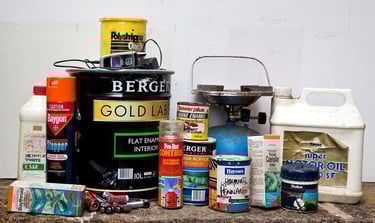
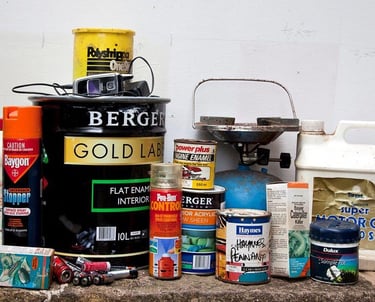
Hazardous waste refers to materials that pose a threat to human health or the environment due to their chemical, physical, or biological properties. Here are some common examples of hazardous waste:

A man in an orange and green uniform stands amidst a pile of plant debris and waste, suggesting a waste management or recycling activity. Large industrial buildings and palm trees are visible in the background.

Hazardous Used Oil and Petroleum Products

Contaminated oil, lubricants, hydraulic fluids, and other petroleum-based products, which may contain hazardous substances like benzene or polycyclic aromatic hydrocarbons (PAHs).

Heavy Metals

Metals with high toxicity levels, such as lead, mercury, cadmium, chromium, and arsenic, found in various industrial processes and products.

Chemical Waste

Various chemical byproducts, residues, or discarded laboratory chemicals that may be flammable, reactive, or toxic.

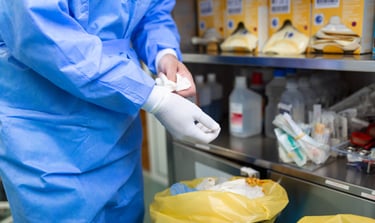
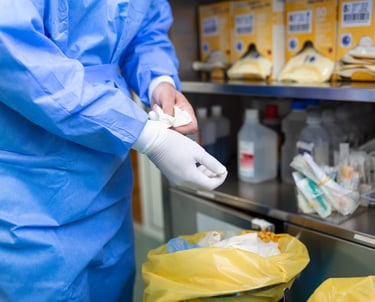
Medical Waste

Contaminated materials from healthcare facilities, including sharps, infectious waste, pharmaceuticals, and pathological waste.

Proper handling, storage, transportation, treatment, and disposal of hazardous waste are essential to prevent harm to human health and the environment. Regulatory agencies impose strict guidelines and regulations governing the management of hazardous waste to ensure safety and environmental protection.


Industrial Waste Disposal

Industrial waste encompasses a wide range of materials generated from industrial processes, manufacturing operations, and industrial facilities. Here are some common examples:
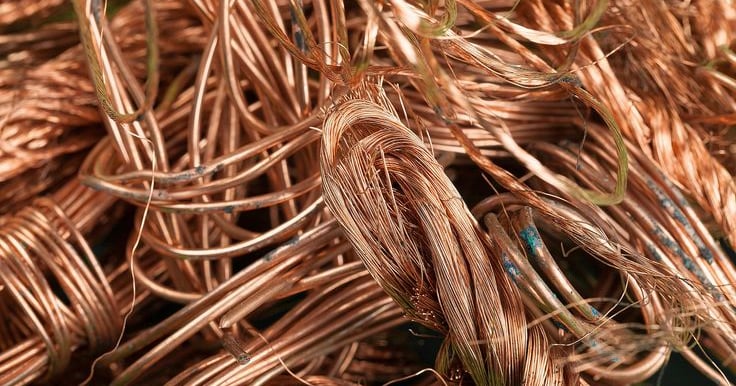
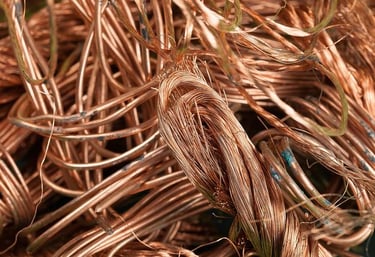
Steel Scrap

Discarded steel materials from manufacturing and construction, recyclable to produce new steel products.

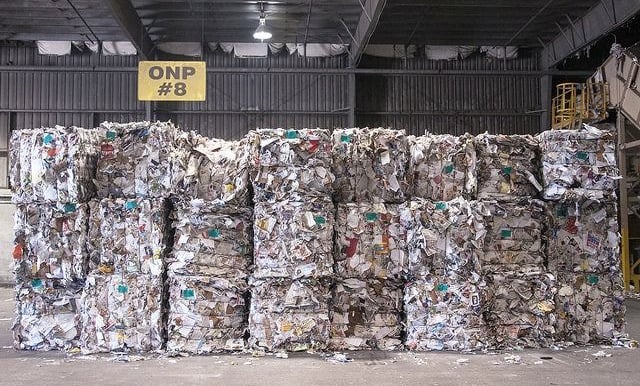
Waste Paper

Various types of paper products and scraps from industrial operations, recyclable into new paper products.

assorted clothes hanging on rack

Plastic Resin Pellets

Small plastic granules used in manufacturing, prone to environmental pollution, recyclable to produce new plastic products.

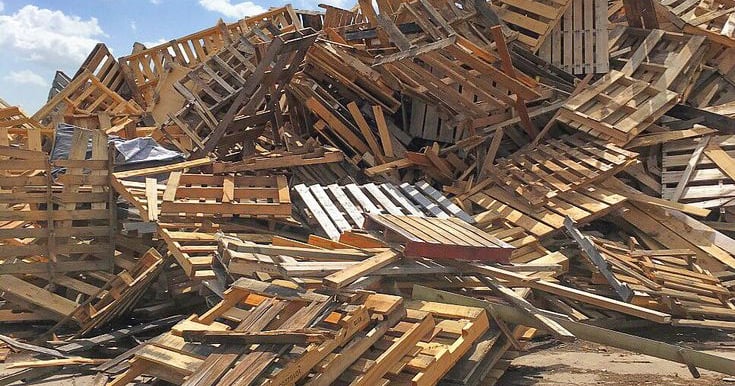
Wood Waste

Wood materials from industrial processes and construction, recyclable for mulch, biomass fuel, or recycled wood products.

At EVAC, we offer waste segregation and packaging services either at the client's facility or in our dedicated segregation yards.

person holding black and gray computer tower
Assorted cleaning supplies and tools on a counter.
Plastic Resin Pellets

Small plastic granules used in manufacturing, prone to environmental pollution, recyclable to produce new plastic products.

Chemical Waste

Hazardous and non-hazardous chemicals from industrial processes and research facilities, requiring specialized handling and disposal.
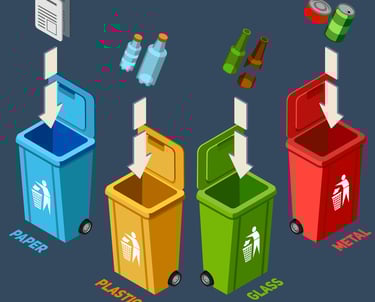
Electronic Waste

(E-Waste): Discarded electronic devices and components, containing valuable materials and hazardous substances, recyclable to recover resources and prevent environmental contamination.

Waste Sorting and Classification

At EVAC, we understand the critical importance of waste sorting and classification in promoting sustainable waste management practices. With state-of-the-art facilities and expertise in waste handling, we are committed to efficiently sorting and classifying various waste streams to maximize recycling and minimize environmental impact. Our dedicated team utilizes advanced technologies and meticulous sorting processes to separate recyclables, organics, and non-recyclable materials, ensuring that each waste component is properly sorted for its intended destination. By prioritizing waste segregation and classification, EVAC aims to divert recyclable materials from landfills, promote resource recovery, and contribute to the circular economy.

At EVAC, we are dedicated to driving positive environmental change through our recycling services. With a commitment to sustainability, we play a crucial role in diverting waste from landfills and promoting resource conservation. Our comprehensive recycling programs encompass a wide range of materials, including paper, plastic, metal, glass, and more. Through innovative sorting and processing techniques, we ensure that recyclable materials are efficiently collected, sorted, and processed for reuse. By partnering with recycling facilities and adopting best practices in waste management, EVAC facilitates the transformation of waste into valuable resources. From reducing energy consumption to minimizing greenhouse gas emissions, our recycling initiatives contribute to a cleaner, greener future for generations to come.

Consultation and Compliance

Key Features

Regulatory Guidance

Our experts offer comprehensive guidance on waste management regulations, ensuring businesses understand and comply with local and national legal frameworks.

Customized Compliance Plans

Tailored plans are developed to meet each client's unique waste management needs, addressing specific waste streams and operational contexts for targeted solutions.

Audits and Assessments

Thorough audits and assessments of waste management practices are conducted to gauge compliance levels, identify areas for improvement, and ensure ongoing adherence to regulations.

Documentation Support

We assist businesses in preparing and maintaining necessary documentation for waste management compliance, including record-keeping, reporting, and regulatory documentation.
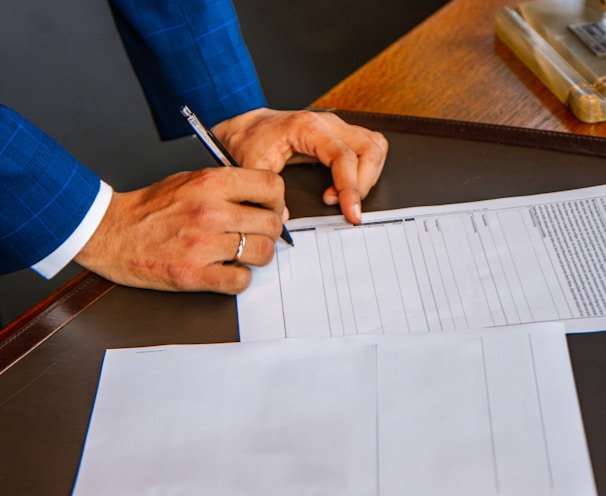
person writing on white form paper

Our continuous monitoring services keep clients informed about evolving waste management regulations, ensuring proactive compliance with any changes that may impact their operations.

Continuous Monitoring

Waste Management FAQs

What types of waste do you handle?

We handle construction, hazardous, industrial, and general waste, ensuring proper disposal and recycling.

How do you ensure safety?

We follow strict safety protocols and regulations to manage hazardous and industrial waste responsibly.

What is your recycling process?

Our recycling process involves sorting materials, identifying recyclable items, and partnering with facilities to ensure effective recycling.

Do you offer pickup services?

Yes, we provide waste pickup services.

How can I contact you?

You can contact us through our website or call our customer service for inquiries.